Half a mile from Pisgah National Forest, in a workshop that feels more like a design studio than a manufacturing facility, Tom Dempsey is still solving the same problem he set out to tackle twenty years ago: how do you make the backcountry accessible to people who don't want to sacrifice comfort for adventure?
The answer, it turns out, involves a lot of aluminum, some serious engineering, and the kind of obsessive attention to detail that only comes from someone who's spent decades in industrial design. Dempsey founded SylvanSport in 2004 in Brevard, North Carolina, where the Blue Ridge Parkway meets some of the most legendary mountain biking and hiking terrain on the East Coast. You can't throw a rock in this town without hitting a trail junction or a brewery, and that proximity to adventure shapes everything the company builds.
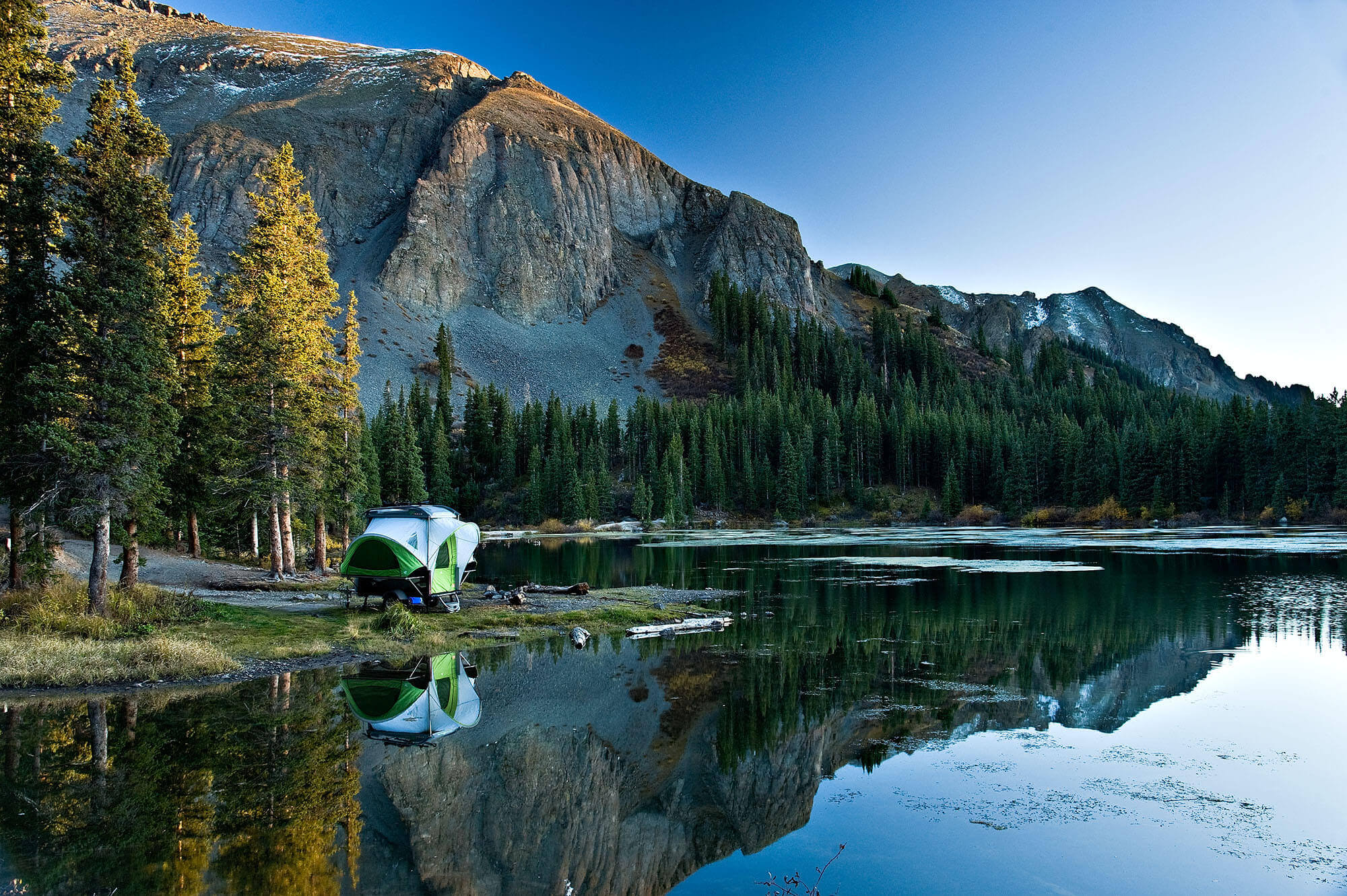
Before landing in Cedar Mountain—just outside Brevard—Dempsey had bounced around Chicago, Pennsylvania, and Alabama, gathering experience in design and manufacturing. But it wasn't until he hit the North Carolina mountains that everything clicked. The problem he kept running into was this: traditional RVs were too big, too heavy, and frankly, too much for the kind of adventures he wanted to have. Pop-up campers existed, but they were clunky and took forever to set up. What if you could design something that folded flat for towing but expanded into actual living space?
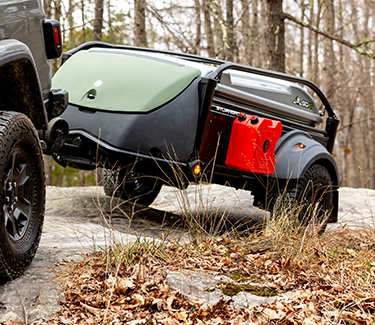
That question became the GOAT, SylvanSport's flagship overland camper that's won more awards than most companies see in a lifetime—IDSA Gold, Edison Award, National Geographic Best of Adventure Gear. But the real test isn't happening in some design competition boardroom. It's happening every weekend when someone hauls their GOAT up to a remote campsite in Pisgah and sets up camp in under ten minutes.
The workshop itself tells the story of how SylvanSport operates. When Dempsey recruited Kyle Mundt and Tom Reeder in those early days, they weren't just building campers—they were rethinking what recreational vehicles could be. Walk through their facility and you'll see prototypes in various stages of completion, aluminum extrusions waiting to be formed, and the kind of precision tooling you'd expect from an aerospace company, not a camping gear manufacturer.
"What started as an idea to create an innovative pop-up camper has evolved into a line of award-winning adventure trailers, outdoor gear, and camping accessories"
Brevard provides the perfect testing ground for their theories about lightweight adventure. The town sits at the entrance to some of North Carolina's most demanding terrain—Dupont State Recreational Forest with its waterfalls, the technical single-track of Pisgah, and enough gravel roads to keep any overland enthusiast busy for years. When SylvanSport says their gear is tested in real conditions, they mean you can drive five minutes from their shop and find conditions that will break anything that isn't built right.
The TraiLOFT Micro Camper represents their latest thinking on the problem of accessible adventure. At 6,495 dollars, it's not exactly budget camping, but when you consider that it weighs less than 1,200 pounds and can be towed by most cars, the math starts to make sense. You're not just buying a camper—you're buying the ability to follow that Forest Service road another five miles deeper into the backcountry than anyone else can go.
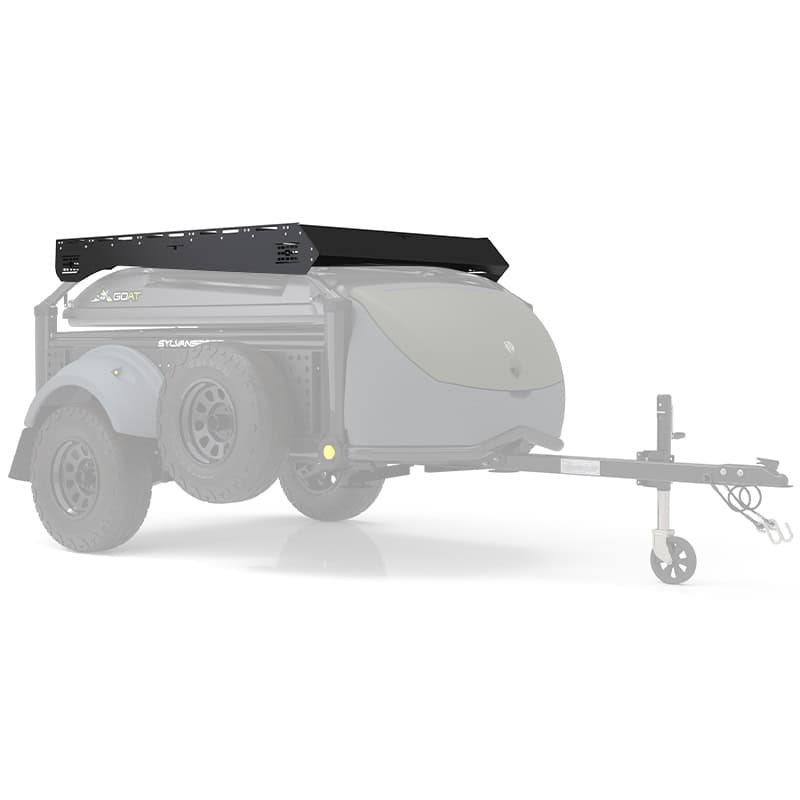

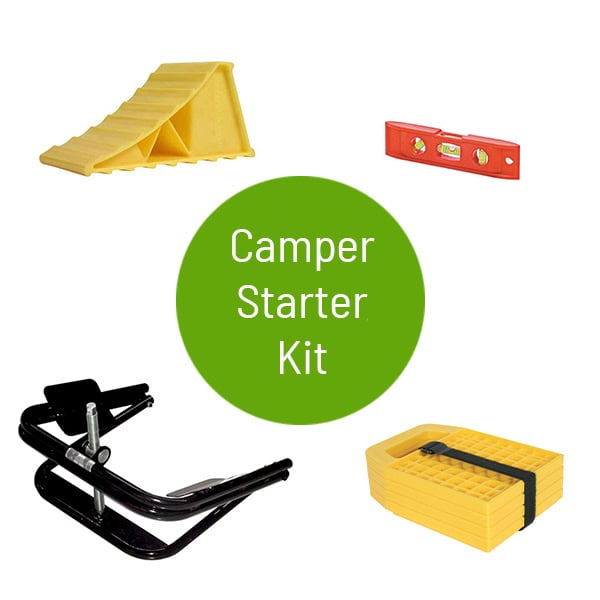
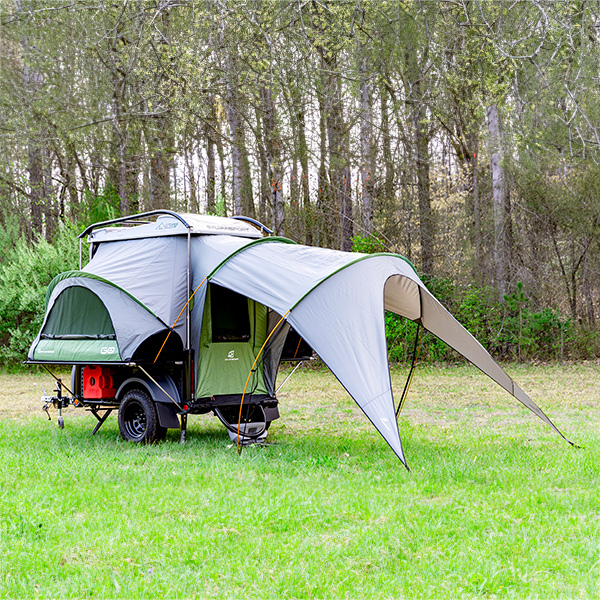
What strikes you about Dempsey's approach is how the company has stayed true to that original vision while expanding into gear that makes sense for their customers. The Hiking Bundle for Two isn't just thrown together—it's the result of twenty years of conversations with people who use their trailers about what they actually need when they get to the trailhead. Same with their GOAT Molle Panels system, which turns the exterior of your camper into an organizational dream.
Twenty years in, SylvanSport is still operating like a startup in some ways. They're still iterating, still testing, still asking the fundamental question: how do we make it easier for people to get outside? The difference now is that they have the manufacturing expertise and industry relationships to actually answer that question at scale.
Drive through downtown Brevard on a Saturday morning and you'll see the evidence of their success. GOAT trailers hitched to Subarus and Tacomas, headed up toward the parkway or down toward South Carolina's mountains. It's exactly what Dempsey envisioned when he started the company—adventure gear that doesn't announce itself with massive size or ridiculous complexity, but just quietly enables you to go further and stay longer than you could before.
Next time you're planning a trip to the Blue Ridge, consider a detour through Brevard. Stop by Rocky's Burrito to fuel up, check out the waterfalls at Dupont, and maybe swing by SylvanSport's showroom to see what twenty years of problem-solving looks like. Fair warning: you might leave with plans for adventures you didn't know were possible.