Walk into the 1917 building that houses Grovewood Gallery and you're stepping into what might be the birthplace of America's maker movement. Not the modern version with its co-working spaces and laser cutters, but the original one — the Appalachian Craft Revival that started right here in North Asheville, when Fred Seely bought Biltmore Estate's weaving and woodworking operations and created Biltmore Industries.
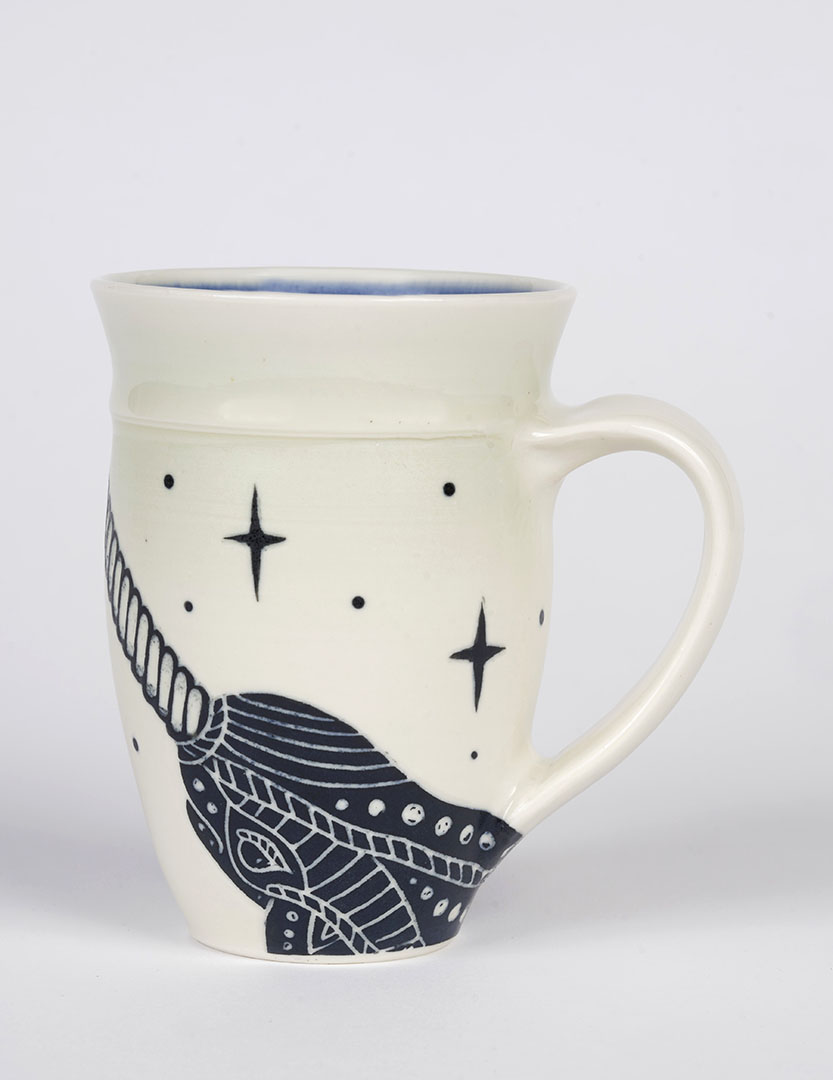
The building still hums with that same creative energy, though now instead of industrial looms, you'll find 9,000 square feet of work from over 400 artists spread across two floors. This isn't your typical gallery where you whisper and keep your hands behind your back. At Grovewood, a ceramic shark mug sits next to a $1,100 abstract painting, and somehow it all makes perfect sense.
The gallery's location tells you everything about Asheville's relationship with making things by hand. Tucked in Grovewood Village, right next to The Omni Grove Park Inn, it occupies this sweet spot between the town's mountain resort history and its working artist present. Grove Park Inn guests wander over expecting tourist trinkets and leave carrying hand-forged iron candlesticks and ceramic pieces that took weeks to fire.
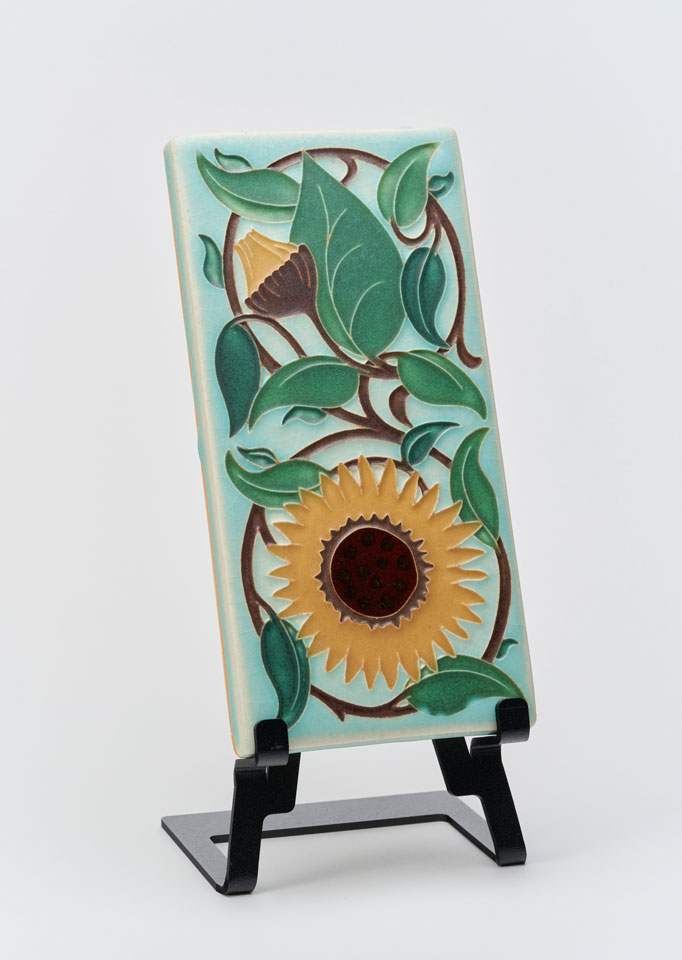
On the first floor, you'll get lost among the small treasures — hand-carved wooden ornaments shaped like acoustic guitars and swallowtail butterflies, ceramic tiles painted with sunflowers that look like they grew in some mountain meadow. The variety feels almost overwhelming until you realize it's not random at all. These are the objects that Appalachian makers have been perfecting for generations, just with contemporary twists.
Head upstairs and the scale shifts dramatically. This is where Grovewood shows off its furniture makers and fine artists — the people who've taken those traditional mountain woodworking skills and pushed them into gallery territory. Walking through feels like touring someone's dream house, if that someone happened to have impeccable taste and a deep appreciation for wood grain.
"This site once housed the weaving and woodworking operations of Biltmore Industries, an Arts and Crafts enterprise that played a significant role in the Appalachian Craft Revival during the early 20th century."
What strikes you about Grovewood isn't just the quality — though watching a customer run their hand along a hand-turned wooden bowl, you can see the exact moment they understand why it costs more than the machine-made version. It's how the gallery manages to feel both historical and completely current. The building's bones remember when this was about preserving mountain traditions as industrialization threatened to wipe them out. But the work on display today shows how those traditions evolved, adapted, survived.
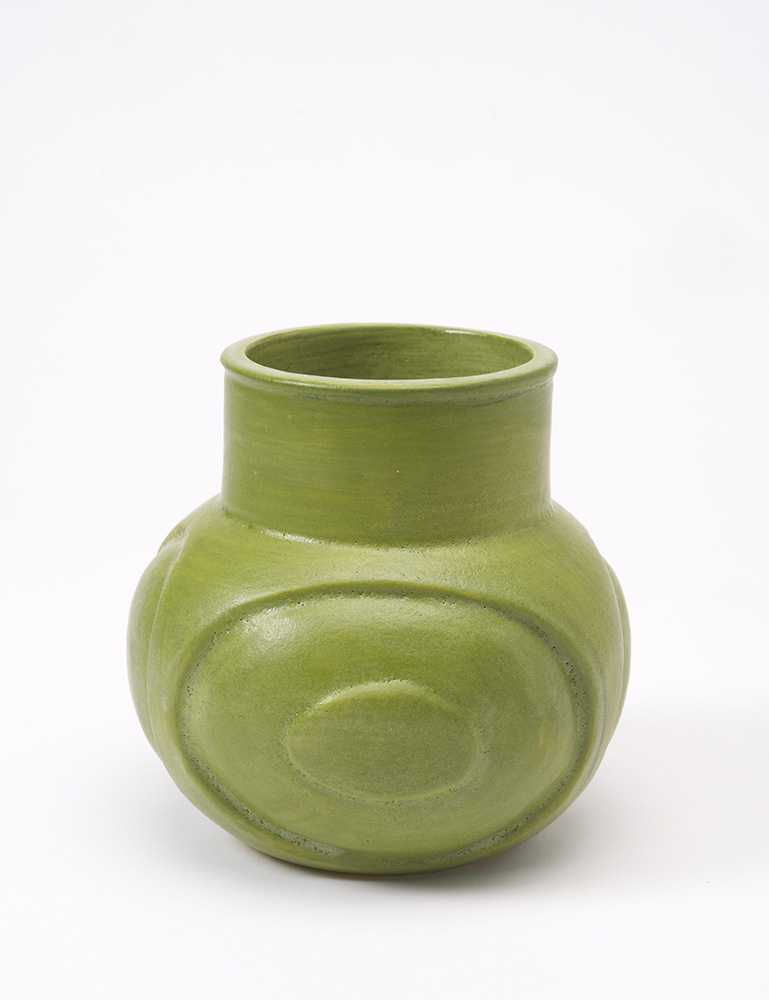
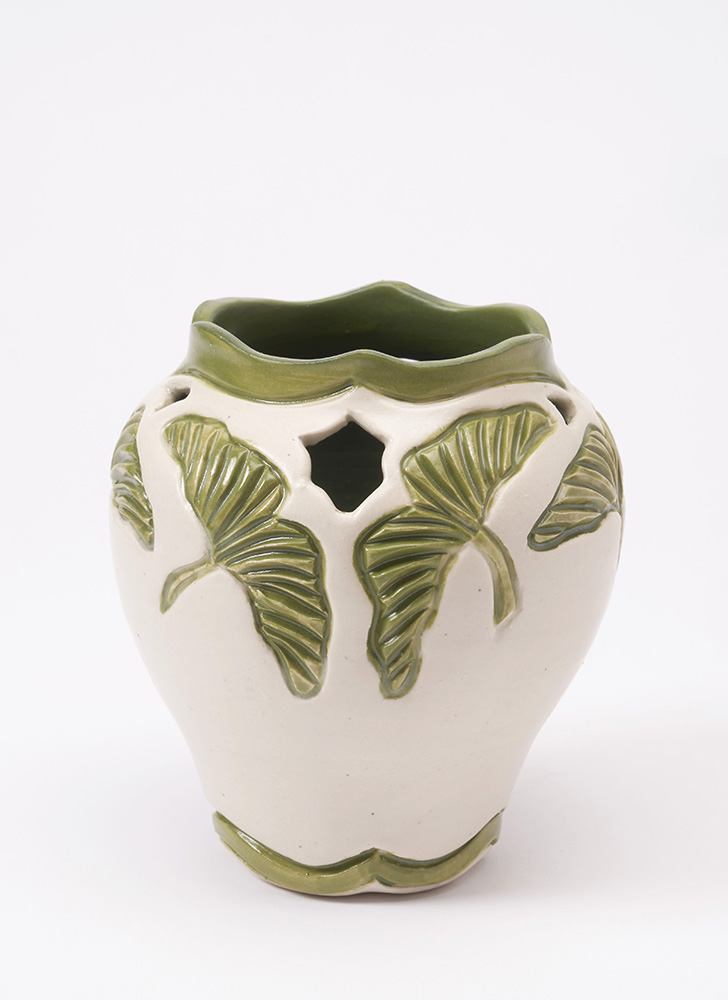
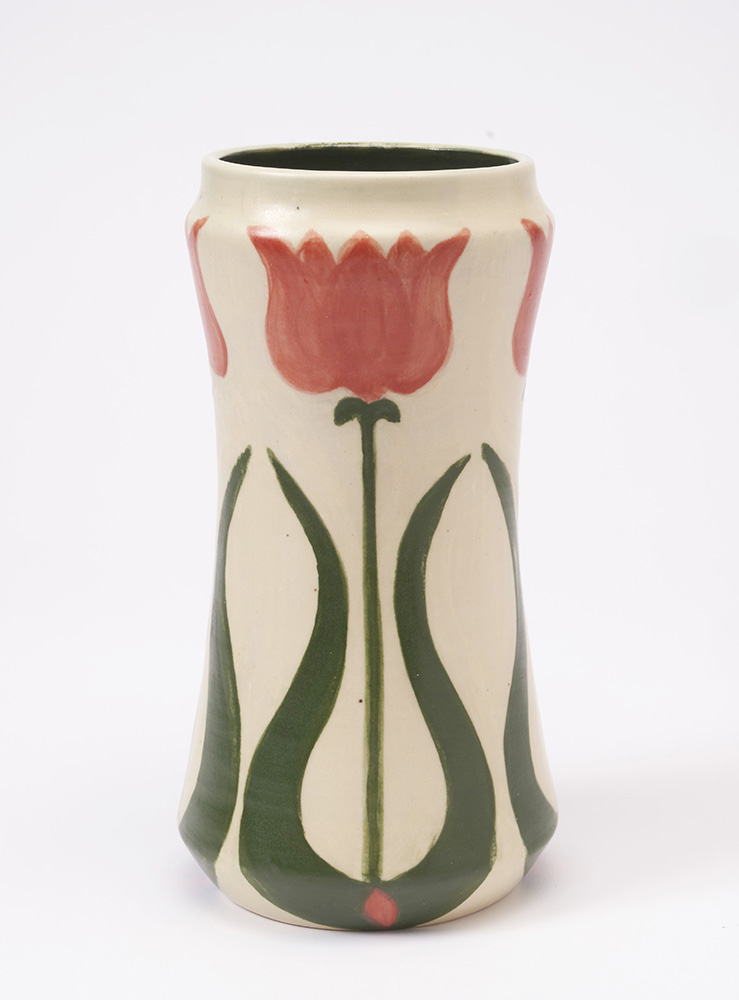
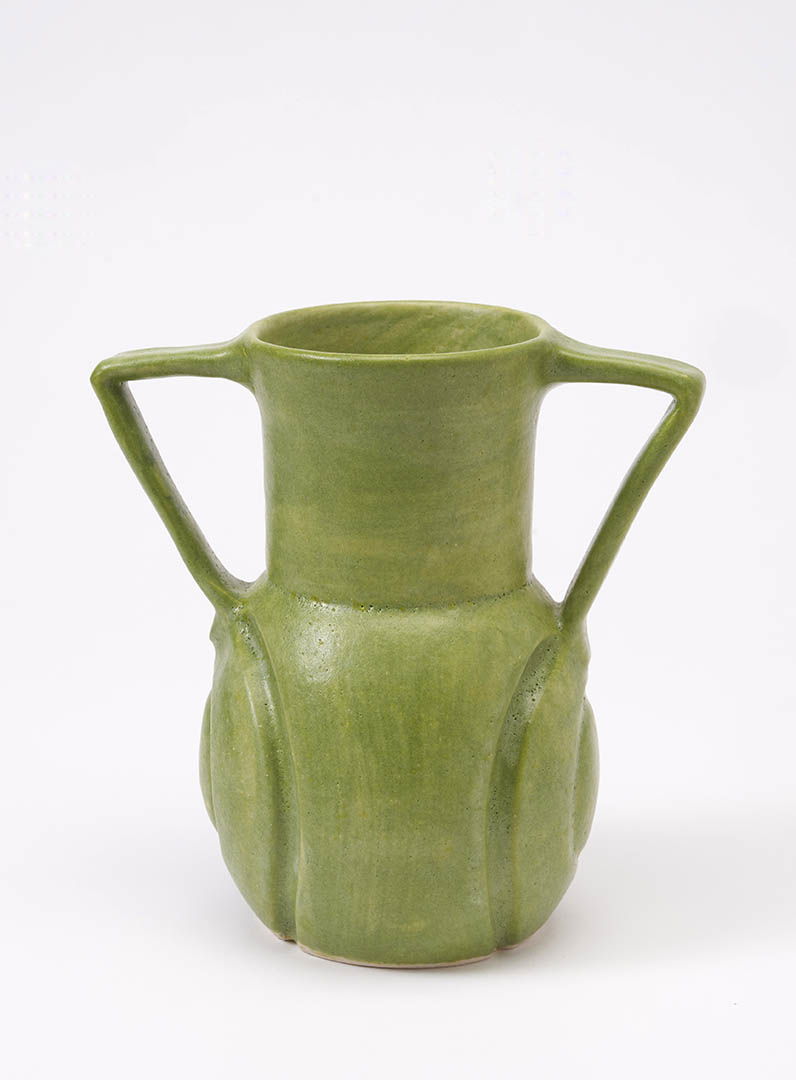
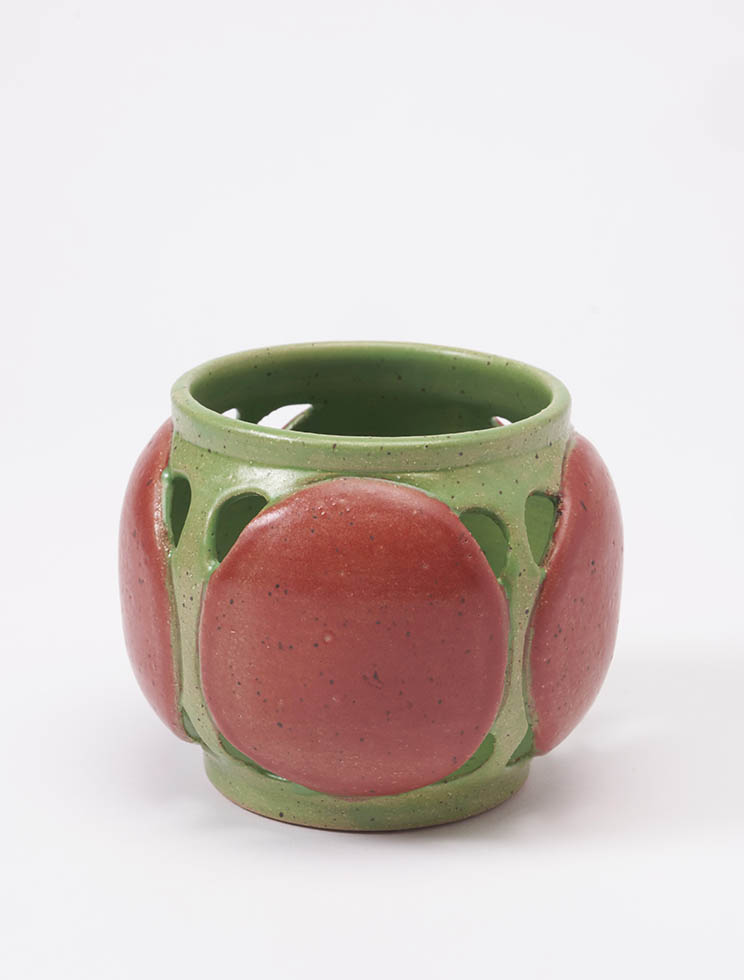
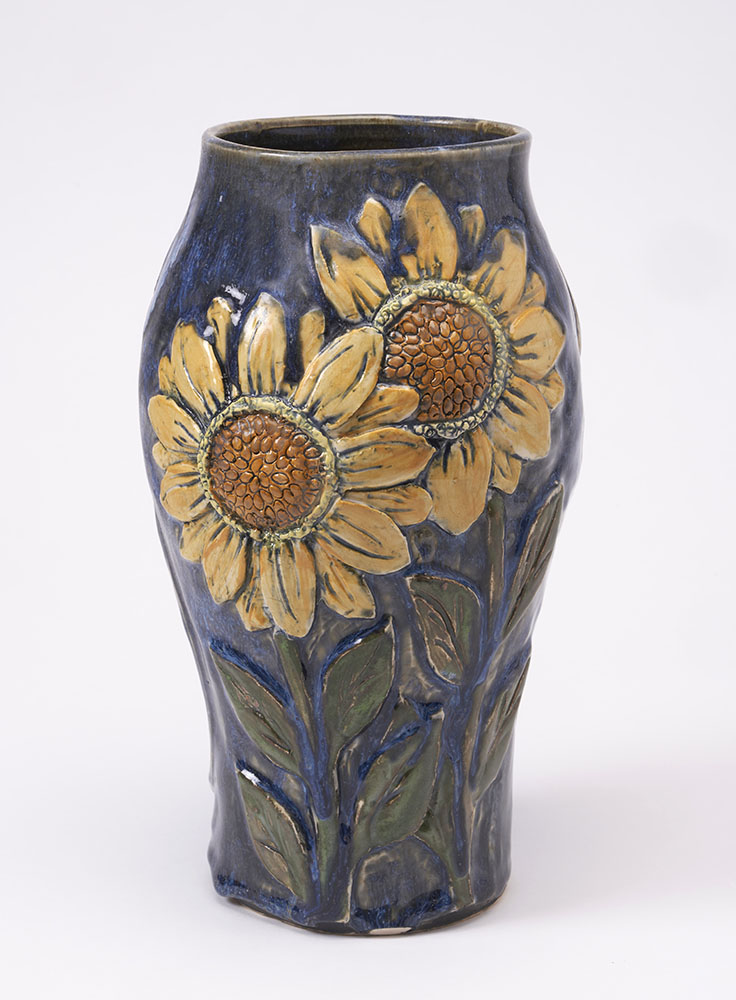
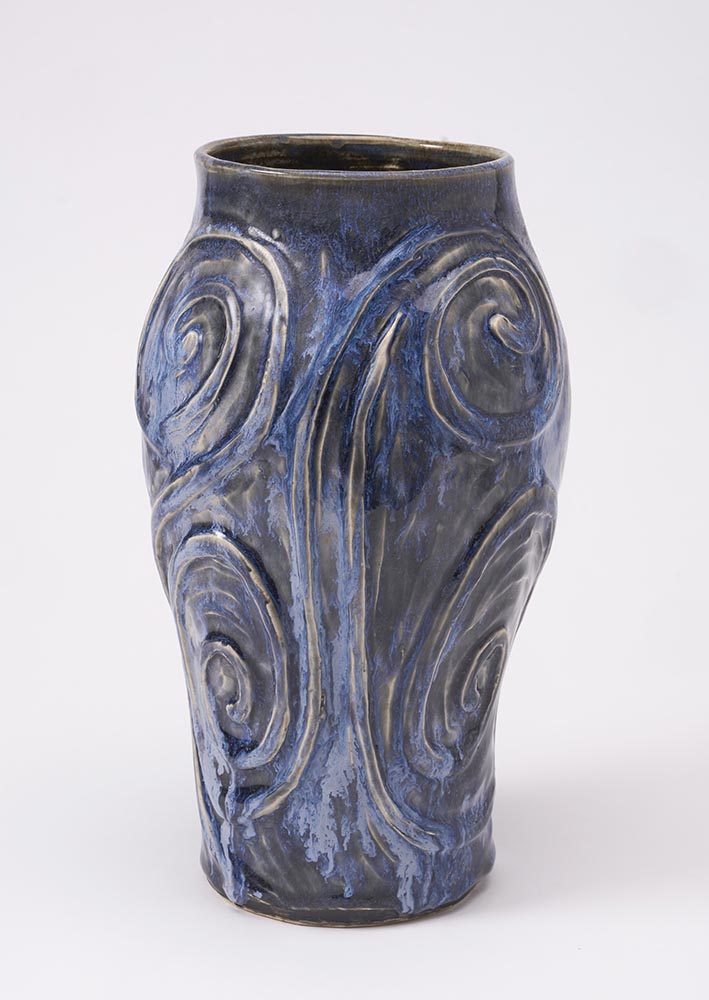
Take the ceramics section. You'll find everything from functional pottery that could have come from a 1920s Biltmore Industries catalog to pieces that push the medium in directions those original makers never imagined. A giraffe sculpture sits next to a perfectly practical mug, both thrown by hands that learned their trade in the mountains but aren't bound by mountain expectations.
The artists Grovewood represents aren't just from Asheville, but they understand what it means to make work here. Painter Shawn Krueger, whose landscape oils capture the Blue Ridge in ways that feel both timeless and immediate, talks about how the mountains inform his color choices, his sense of scale. You can see it in his work — the way morning light hits a ridgeline, the particular blue of distance that you only get in these hills.
Founded in 1992, Grovewood has watched Asheville transform from a sleepy mountain town to a destination for makers and collectors. The gallery didn't just ride that wave — it helped create it. By maintaining serious standards while staying approachable, by mixing functional work with fine art, by treating a $10.95 butterfly ornament with the same respect as a thousand-dollar painting, Grovewood showed how a craft gallery could serve both serious collectors and people who just want something beautiful for their kitchen table.
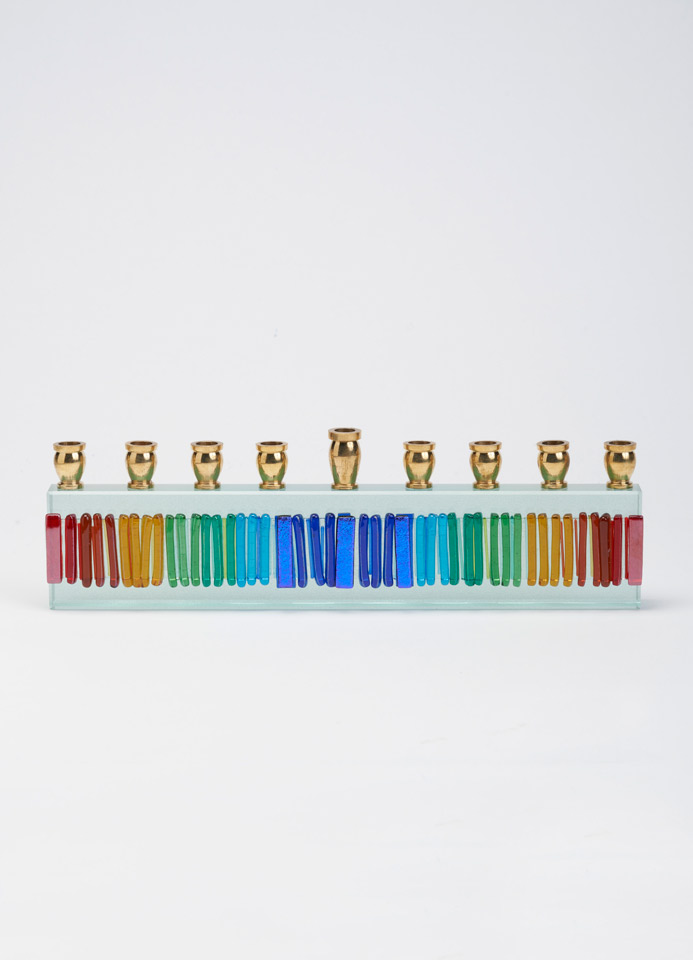
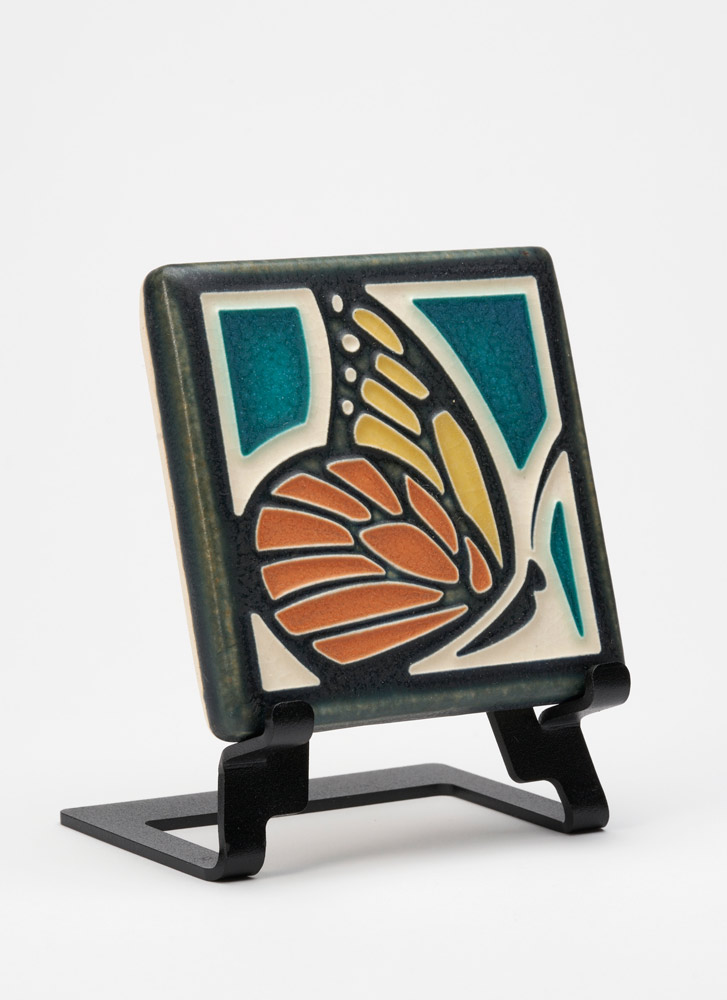
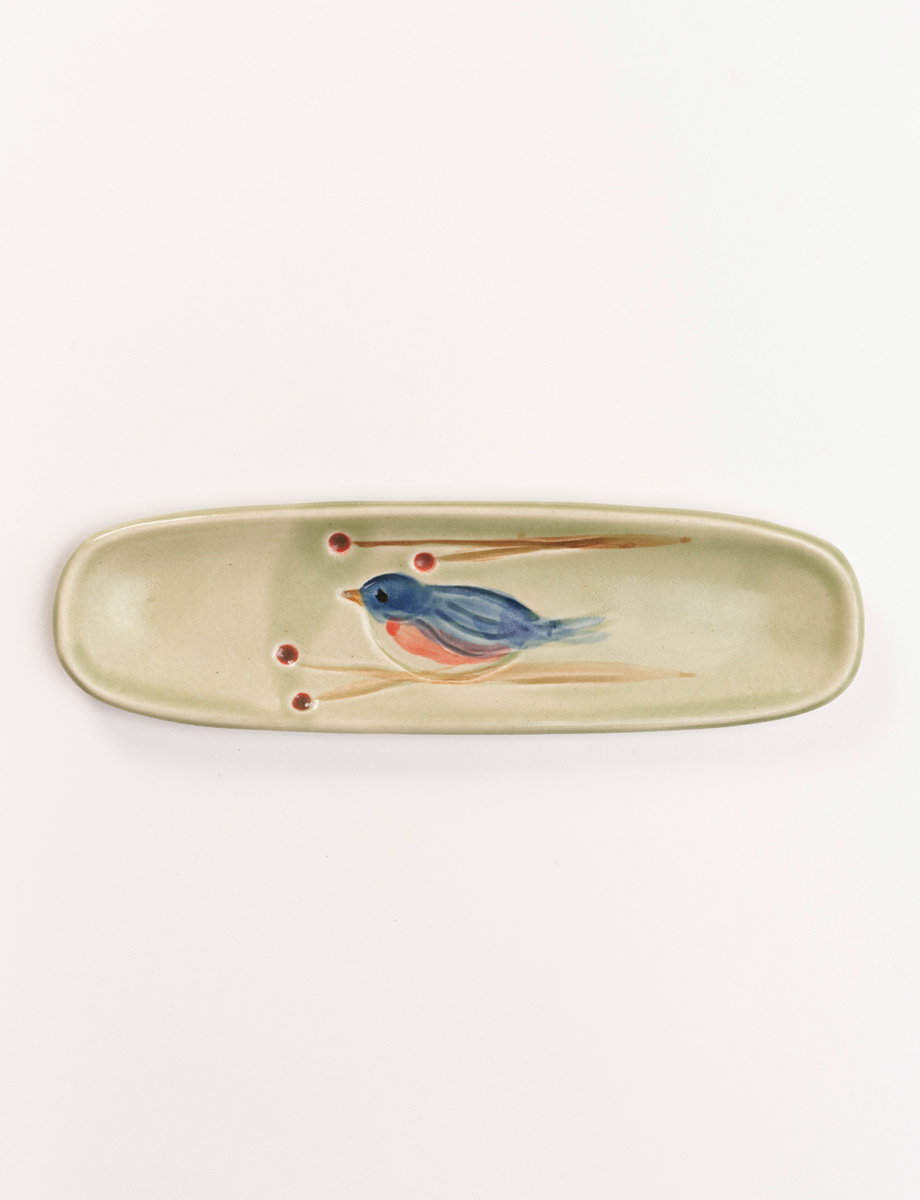
That's the thing about Grovewood — it makes you want to live differently. Not in some precious, curated way, but in a way that acknowledges the hands that made the objects around you. After spending an hour wandering these two floors, picking up a rainbow trout ornament here, admiring a hand-painted honeybee and hibiscus piece there, you start to understand what the Appalachian Craft Revival was really about. It wasn't just preserving old ways of making. It was insisting that in a world increasingly dominated by machines, there would always be space for the irreplaceable irregularities of human hands.
Next time you're in Asheville, skip the crowded galleries downtown and drive up to Grovewood Village. Park among the old buildings and take your time. Let yourself get lost in the details — the way light catches the glaze on a ceramic piece, the grain pattern in a wooden bowl, the brushstrokes in a mountain landscape. You'll leave with something beautiful in your hands and a deeper appreciation for the makers who never stopped believing that how something is made matters as much as what it is.